NexPoint Small Bay III DST

FL

Property Type

Industrial

Assumable Loan

44.87% LTV

Current Yield

4.62% (net)

Distributions

Monthly

Estimated Hold Period

7-10 Years

721 Exchange (UPREIT)

Optional
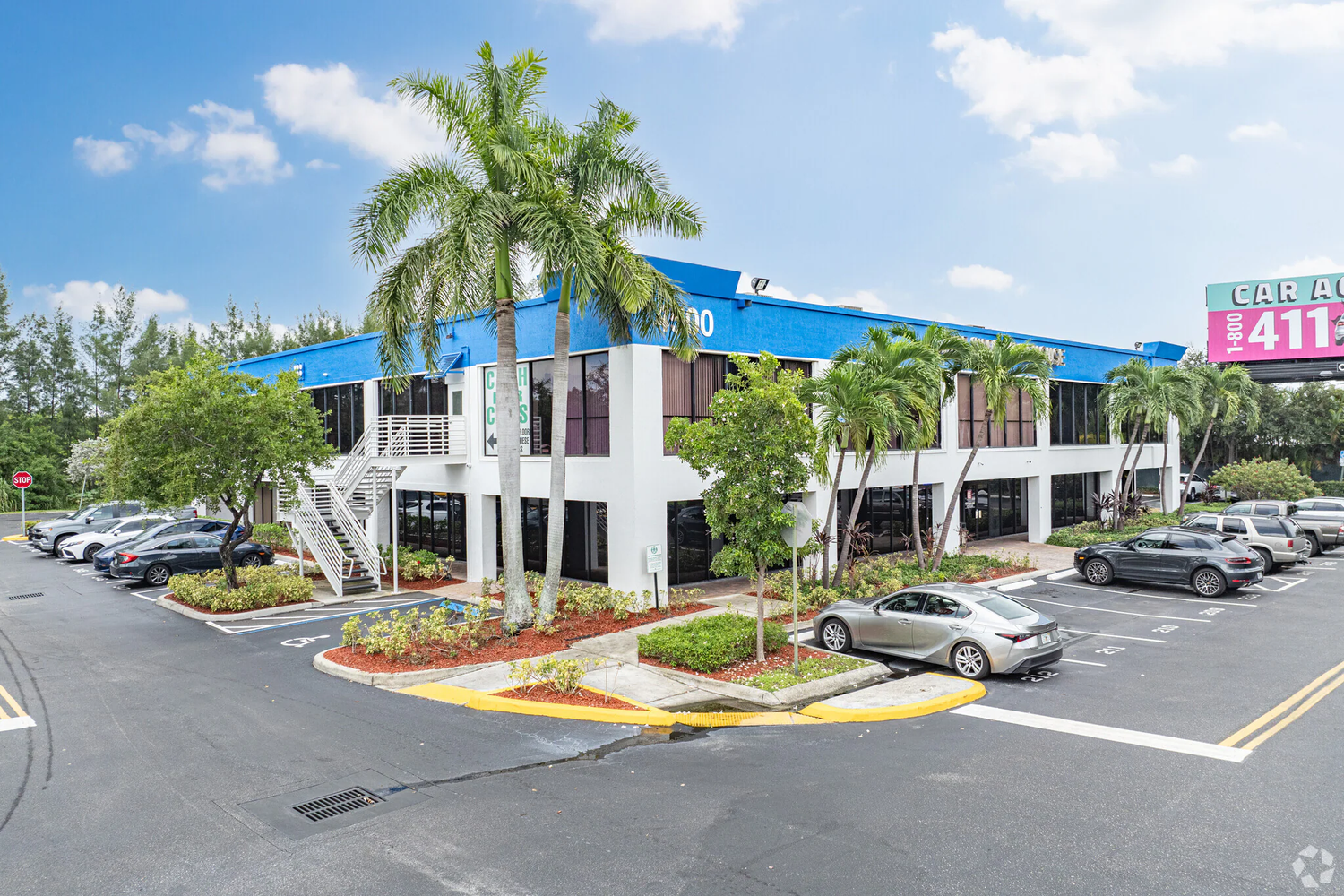
NexPoint Small Bay III DST

Investment Highlights

  • NexPoint Small Bay III DST features a portfolio of two small bay properties in Richardson, Texas and Deerfield Beach, Florida.

  • NexPoint believes that small bay properties have an advantage over traditional warehouses or industrial facilities, which generally have a concentrated tenant base with long-term leases.

  • Small bay properties tend to be in more densely populated infill areas and benefit from higher barriers to entry and replacement costs, and tenant leases of small bay properties are generally for a shorter term, which allows rents to adjust more quickly to market and new demand conditions.

  • Contributing the assets at a $6.3mm discount of appraised value - Those new appraisals show an 8.1% gain in value for the properties. This is now an embedded gain in the DST for investors on Day 1.

  • Dallas, TX Property (Arapahoe): 90% occupancy at $12.5/sqft (407,000 sqft)

  • Deerfield Beach, FL Property: 95% occupancy at $17/sqft (97,000 sqft)

  • 208 total tenants across the portfolio

  • Cost Segregation Analysis Complete

Have Questions?

Jerry Baker

Call | Text | Email

Jerry Baker, Founder of Baker 1031 Investments

FAQ: Common Investor Questions About DSTs and 1031 Exchanges

1. What is a 1031 exchange?
Named after Section 1031 of the Internal Revenue Code, a 1031 exchange allows a real estate investor to "swap" one investment property for another "like-kind" property while deferring federal capital gains taxes. To qualify, the investor must identify a replacement property within 45 days of selling their original asset and complete the acquisition within 180 days. This strategy is widely used to shift portfolios into higher-value assets or different sectors without the immediate "tax haircut" that usually accompanies a sale.
2. What is a Delaware Statutory Trust (DST) property?
A Delaware Statutory Trust (DST) is a legally recognized entity that allows multiple investors to hold fractional "beneficial interests" in a single large-scale commercial property or a portfolio of properties. Unlike a standard partnership, a DST is structured specifically to meet IRS requirements for passive ownership, meaning the day-to-day management, leasing, and financing are handled by a professional "Sponsor." This allows individual investors to own a piece of institutional-grade real estate without the headaches of being a landlord.
3. Do DSTs qualify for 1031 exchanges?
Yes, thanks to IRS Revenue Ruling 2004-86, an interest in a DST is officially treated as a direct interest in real estate for federal income tax purposes. This means a DST qualifies as "like-kind" replacement property for a 1031 exchange. This ruling was a game-changer for the industry, as it allows investors who are selling a managed property (like a rental home) to roll their proceeds into a DST to achieve complete tax deferral while moving into a strictly passive investment role.
4. How does income work with DSTs?
Income in a DST is distributed to investors on a pro-rata basis, meaning you receive a share of the net rental income proportional to your percentage of ownership in the trust. Because the properties are typically pre-stabilized with corporate tenants or high occupancy rates, distributions are often paid out monthly or quarterly. It’s important to note that this income is "net" of property operating expenses, management fees, and mortgage interest, but it still retains the tax benefits of direct ownership, such as depreciation deductions, which can shield a portion of that cash flow from taxes.
5. How do assumable loans work with DSTs?
One of the most attractive features of a DST is that it comes with "pre-packaged" non-recourse financing. The Sponsor secures the mortgage at the trust level, and because the investor is buying a beneficial interest in that trust, they effectively "assume" their share of the debt without having to personally qualify for a bank loan or sign a personal guarantee. This is particularly helpful for 1031 exchangers who need to replace a specific amount of debt from their previous sale to avoid paying "boot" (taxable gain), as the DST structure provides an easy way to satisfy those debt requirements instantly.
6. What does a 721 exchange (UPREIT) exit mean?
A 721 exchange (UPREIT) is an exit strategy where an investor trades their DST interest for operating partnership units in a larger REIT. This is often an optional move offered by the Sponsor at the end of the DST's life cycle, allowing the investor to trade a single-asset interest for a diversified share in a massive portfolio. While this further defers taxes and increases liquidity, it typically involves fees for a Fair Market Value (FMV) appraisal to ensure the exchange ratio is accurate. Investors should be aware that once they convert to REIT shares via a 721 exchange, they generally lose the ability to perform a 1031 exchange back into physical real estate in the future.

Additional Resources