
Apollo AX Essential Retail Portfolio DST
Overview
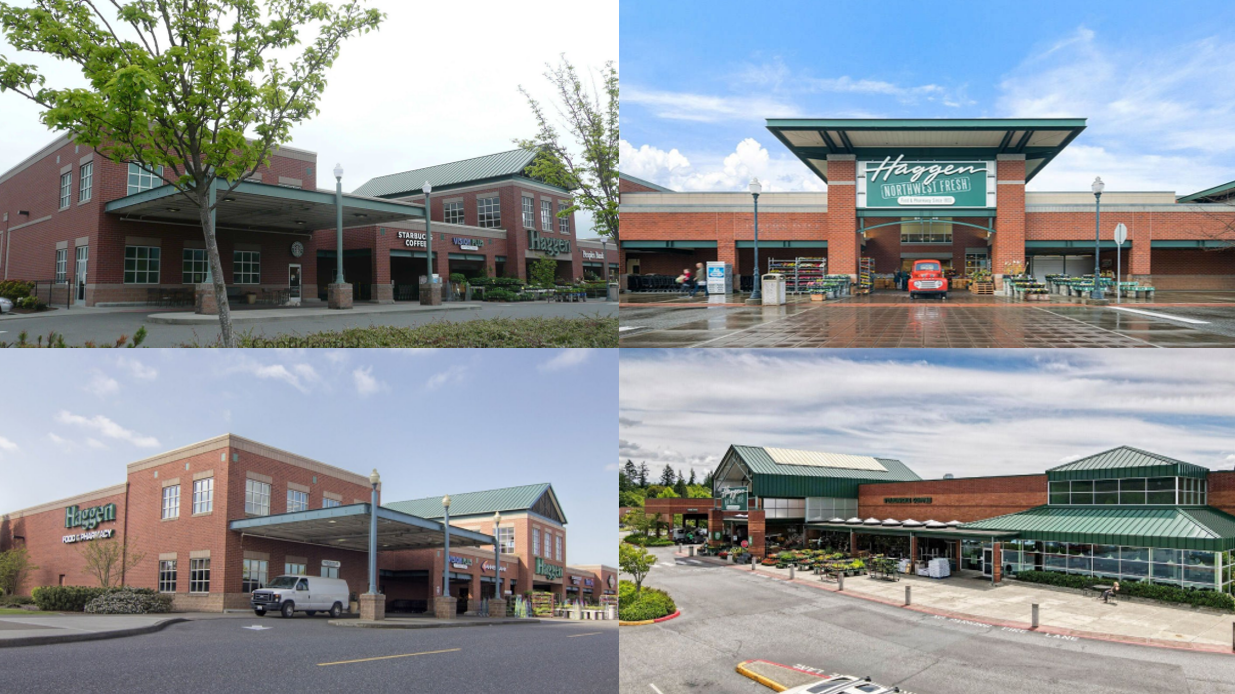
The portfolio consists of four standalone grocery assets spanning approximately 39.0 acres, totalling 248,103 square feet of net rentable area and 1,458 parking spaces, built between 1995 and 2001.
Safeway Inc. doing business as Haggen, Inc, a Pacific Northwest grocery banner operating across Washington, is the tenant for all four portfolio assets and functions as a wholly owned subsidiary of Albertsons Companies, Inc., one of the largest food and drug retailers in North America.
The portfolio represents approximately 25% of Haggen’s regional sales, with three of four stores ranking in the top quartile for foot traffic and generating ~4.2 million annual visits for the trailing twelve months ended August 2025.
Key Investment Features
Structure
Delaware Statutory Trust (DST)
Investment Sponsor
Apollo
Property Type(s)
Retail, Grocery
Location(s)
WA
Occupancy
100%
721 Exchange / UPREIT
Required
Minimum Investment
$250,000
Investment Strategy
Buy & Hold
Year 1 Yield
4.30%
In-Place Loan
No Loan; All-Cash
Avg. Remaining Lease Term
10 Years
Cash Flow Forecast
Year 1
Year 2
Year 3
Year 4
4.30%
4.40%
Sold
Sold
Year 5
Year 6
Year 7
Year 8
Sold
Sold
Sold
Sold
Year 9
Year 10
Sold
Sold
Investment Highlights
DST is backed by a stable tenant with a long-term lease (Albertsons/Safeway), and thesponsor, Apollo RE Exchange, has structured the offering with a focus on consistent income.
Apollo is 30+ years old, has $631 B total AUM, with 2,785 employees worldwide.
All properties located in growing suburban markets with consistent consumer demand for grocery retail
Advantages
All properties located in growing suburban markets with consistent consumer demand for grocery retail
DST is backed by a stable tenant with a long-term lease (Albertsons/Safeway), and thesponsor, Apollo RE Exchange, has structured the offering with a focus on consistent income.
Weaknesses
Flatter distributions.
Can only have a small amount of appreciation before 721 conversions.
The lack of geographic diversification increases exposure to regional economic conditions.